
Ritabrata Banerjee promises ₹10,000 monthly aid for martyrs' kin if he gets symbol & fund
.gif)

Download Mobile App 






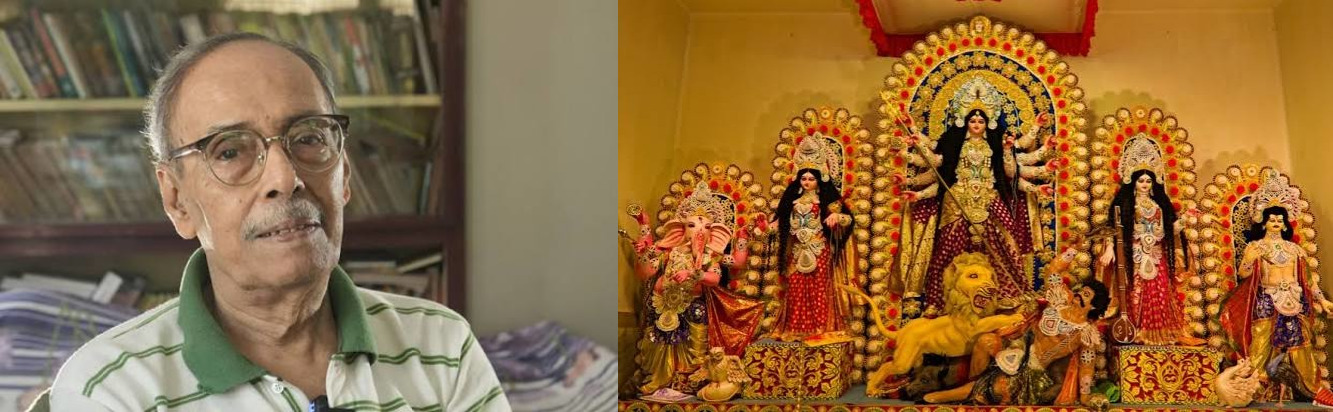
Amid Durga Puja in South Kolkata's posh Jodhpur Park area, where intellectual elite often retreat to pen their masterpieces amid the rustle of bougainvillea, a brazen theft has shattered the serenity of one of Bengal's most revered literary homes. Renowned author Shirshendu Mukhopadhyay, whose tales have enchanted generations, reported the disappearance of his cherished tablet—the very device on which he crafts his evocative narratives—from his residence at Jodhpur Park, tucked behind the EDF Hospital. The incident, unfolding in the shadow of the ongoing Durga Puja festivities, has sent ripples of shock through the city's cultural circles. Mukhopadhyay, 89 and a Sahitya Akademi awardee whose words have shaped Bengali consciousness, last used the tablet on September 23 in Durga Puja Dwitiya to weave the threads of his latest story, making its loss not just material but a profound creative rupture.
The theft came to light recently when Mukhopadhyay, settling into his routine of morning tea and musings, realized the tablet was missing from its usual spot on his study desk. Without hesitation, he lodged a formal complaint at the nearby Lake Police Station, detailing how the device, laden with drafts, notes, and irreplaceable snippets of prose, had vanished under mysterious circumstances. Police sources revealed that the author's home, a modest yet vibrant hub buzzing with visitors—ranging from aspiring scribes seeking wisdom to delivery personnel dropping off books—sees a steady stream of footfall, complicating the web of potential suspects. Kolkata Police assured swift action, deploying a team to comb through the premises for fingerprints and overlooked clues.
As investigators descended on the scene, the air thickened with the scent of marigold garlands from neighbouring Durga puja pandals, a stark contrast to the grim task at hand. Officers meticulously reviewed footage from the home's CCTV cameras, focusing on the past week's recordings that capture the ebb and flow of daily life at the Mukhopadhyay abode. Grainy clips show familiar faces—neighbors chatting on the porch, a courier lingering a tad too long—but no overt signs of intrusion yet, fueling theories of an inside job or opportunistic snatch. Mukhopadhyay, ever the storyteller, wryly remarked to reporters that the episode felt like a plot twist from one of his own suspenseful shorts, blending humor with a quiet undercurrent of vulnerability in his twilight years.
Word of the theft spread like wildfire through Kolkata's literary grapevine, drawing an impromptu visit from local councillor Mousumi Das, who arrived with a bouquet of white tuberoses and promises of civic support. Her presence underscored the incident's broader resonance: in a city where culture is currency, the pilfering of a writer's tools strikes at the heart of communal pride.
Police probes have since uncovered intriguing leads, including a partially obscured figure in the CCTV who matches the description of a recent repairman summoned for a minor plumbing fix. Interrogations are underway, with the team cross-referencing visitor logs against the timeline of the tablet's last use. Mukhopadhyay's family, protective of his peace amid the media glare, revealed that while cloud backups exist for most files, certain handwritten-digitized annotations—personal flourishes from his analog youth—remain lost forever, a digital-age irony for a scribe who once championed fountain pens over keyboards.
This unsettling episode at Jodhpur Park serves as a sobering footnote to Kolkata's vibrant autumnal canvas, where Puja processions clash with urban undercurrents of insecurity. As the investigation deepens, it spotlights the precarious balance artists navigate in an era of fleeting possessions and eternal legacies. For Mukhopadhyay, whose oeuvre spans whimsical fantasies to poignant histories, the theft is but a pause in an illustrious journey—one that has already gifted Bengal treasures beyond measure. With police vowing a breakthrough soon, the city holds its breath, hoping this literary lifeline returns home, unscathed and brimming with untold tales


.webp)
.webp)
.webp)


 West Bengal
 Bihar
Bihar Uttar Pradesh
 Jharkhand